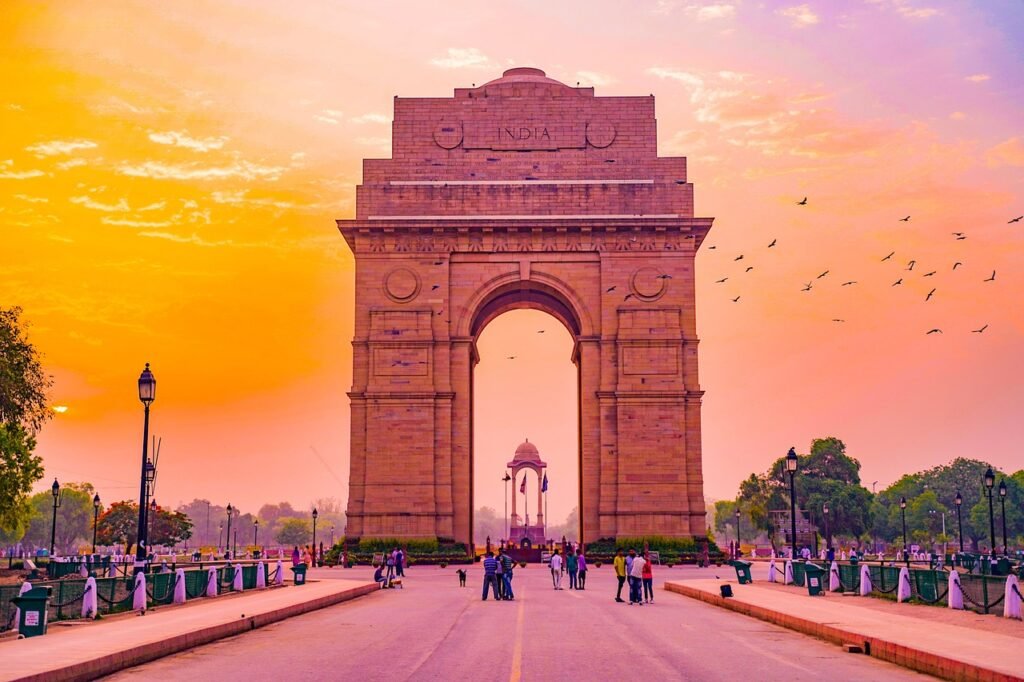
India, often described as a land of spirituality, is home to some of the most incredible temples in the world. These temples aren’t just places of worship; they are architectural masterpieces that showcase India’s artistic heritage, its connection with the divine, and centuries of cultural evolution. The temples of India span various architectural styles, each with distinct features inspired by regional customs, dynastic preferences, and spiritual doctrines.
From the towering gopurams of South India to the intricately carved stone temples of Odisha, every temple has a unique story to tell. Here, we embark on a journey through some of the most awe-inspiring temples in India and explore the diversity of faith, art, and architecture they represent.
1. Brihadeeswarar Temple, Tamil Nadu
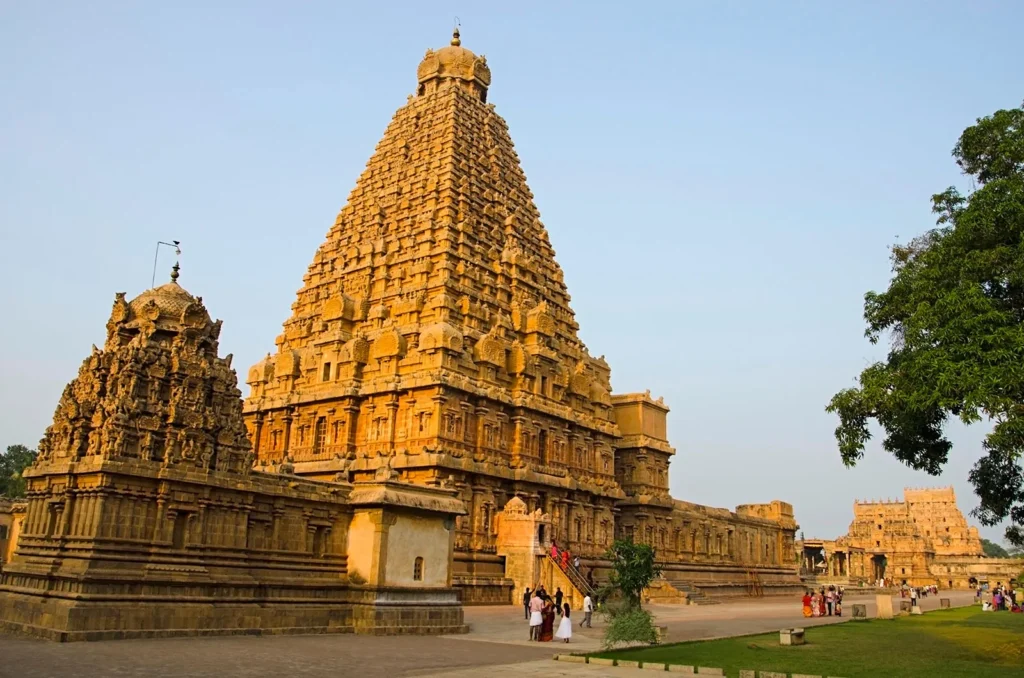
The Brihadeeswarar Temple, also known as the “Big Temple,” is one of the most extraordinary examples of Dravidian architecture. Located in Thanjavur, Tamil Nadu, this UNESCO World Heritage Site was constructed in the early 11th century by the Chola king Rajaraja I. The temple is dedicated to Lord Shiva and is a symbol of the architectural prowess of the Chola dynasty.
The central vimana, or tower, rises over 200 feet, crowned by a single stone weighing an estimated 80 tons. How this massive structure was elevated remains a mystery and is a testament to the advanced engineering knowledge of ancient India. Every inch of the temple is adorned with intricate carvings depicting mythological scenes, deities, and animals, each carving symbolizing an aspect of the divine. The temple’s interiors feature impressive frescoes that detail life during the Chola dynasty, making it a museum of sorts for historians and art lovers.
2. Konark Sun Temple, Odisha
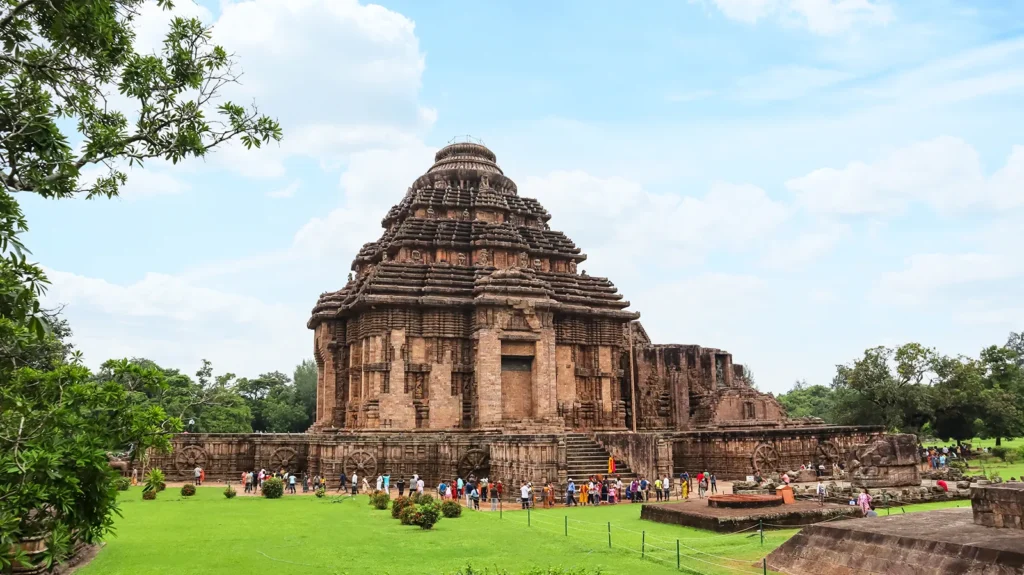
A masterpiece of Odisha’s architectural heritage, the Konark Sun Temple is an ancient marvel dedicated to Surya, the Sun God. Built in the 13th century by King Narasimhadeva I of the Eastern Ganga dynasty, the temple is designed in the shape of a colossal chariot with twelve pairs of intricately carved wheels pulled by seven horses.
This temple, another UNESCO World Heritage Site, showcases detailed carvings on every surface, portraying celestial beings, animals, and human figures. The wheels of the chariot are often noted for their precision, with spokes that function as sundials to indicate the time of day accurately. Despite significant portions of the temple being in ruins, the Konark Sun Temple remains a monument of architectural splendor and symbolizes the devotion to Surya, marking the cycle of life as dictated by the sun.
3. Meenakshi Temple, Tamil Nadu
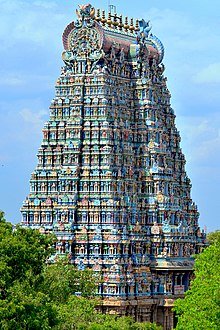
Located in Madurai, Tamil Nadu, the Meenakshi Amman Temple is dedicated to Goddess Meenakshi (a form of Parvati) and her consort, Lord Sundareswarar (a form of Shiva). This sprawling complex, one of the largest in India, covers about 15 acres and consists of numerous shrines, halls, and towers, or gopurams, each filled with hundreds of intricate sculptures.
The temple’s 14 gopurams, or gateway towers, rise to heights over 150 feet and are covered with colorful carvings of gods, goddesses, and mythical creatures. The hallways, including the Thousand Pillar Hall, are adorned with pillars depicting scenes from Hindu mythology, showcasing the artistic finesse of the Vijayanagara artisans. The temple is not only an architectural wonder but also serves as a major center for art, music, and dance, hosting the annual Meenakshi Tirukalyanam festival, a grand celebration of divine love and devotion.
4. Golden Temple, Punjab
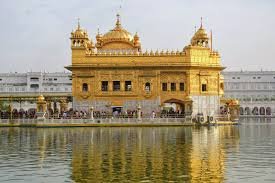
The Golden Temple, also known as Sri Harmandir Sahib, is the most sacred place of worship for Sikhs. Located in Amritsar, Punjab, the temple’s exterior is covered in gold leaf, giving it a radiant, divine appearance, especially when illuminated at night.
Designed with an emphasis on humility and equality, the Golden Temple is surrounded by the Amrit Sarovar, a holy water tank that symbolizes purity. The four entrances to the temple, one on each side, signify that people from all backgrounds are welcome here. The Golden Temple also houses the Guru Granth Sahib, the holy scripture of Sikhism, which is recited continuously within the temple. It is a powerful place for contemplation, visited by millions of people of all faiths who seek peace, solace, and spiritual guidance.
5. Khajuraho Temples, Madhya Pradesh
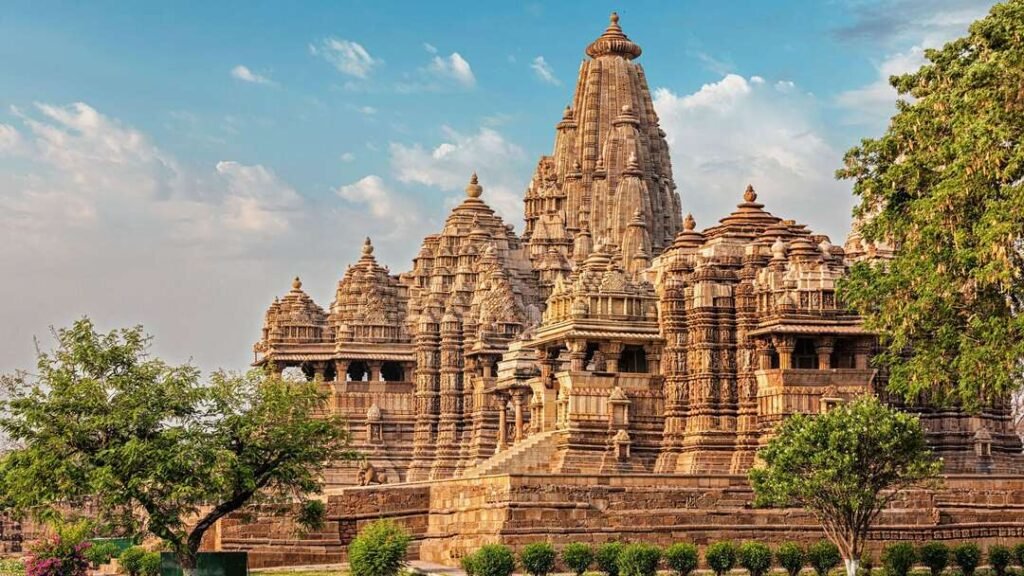
The temples of Khajuraho, a UNESCO World Heritage Site, are renowned worldwide for their exquisite sculptures that depict various aspects of human life, including spirituality, love, and desire. Built by the Chandela dynasty between the 10th and 12th centuries, the Khajuraho temples were initially over 80 in number, but only about 20 remain today.
These temples are divided into three groups: Western, Eastern, and Southern, each adorned with intricately carved figures of gods, goddesses, animals, and humans. The Western group houses the most famous temples, like the Kandariya Mahadeva Temple, which features over 800 sculptures illustrating themes from the Kama Sutra. Despite the attention the erotic carvings receive, the temples symbolize the life cycle, encouraging the viewer to embrace both the sacred and the sensual as parts of human existence.
6. Jagannath Temple, Odisha
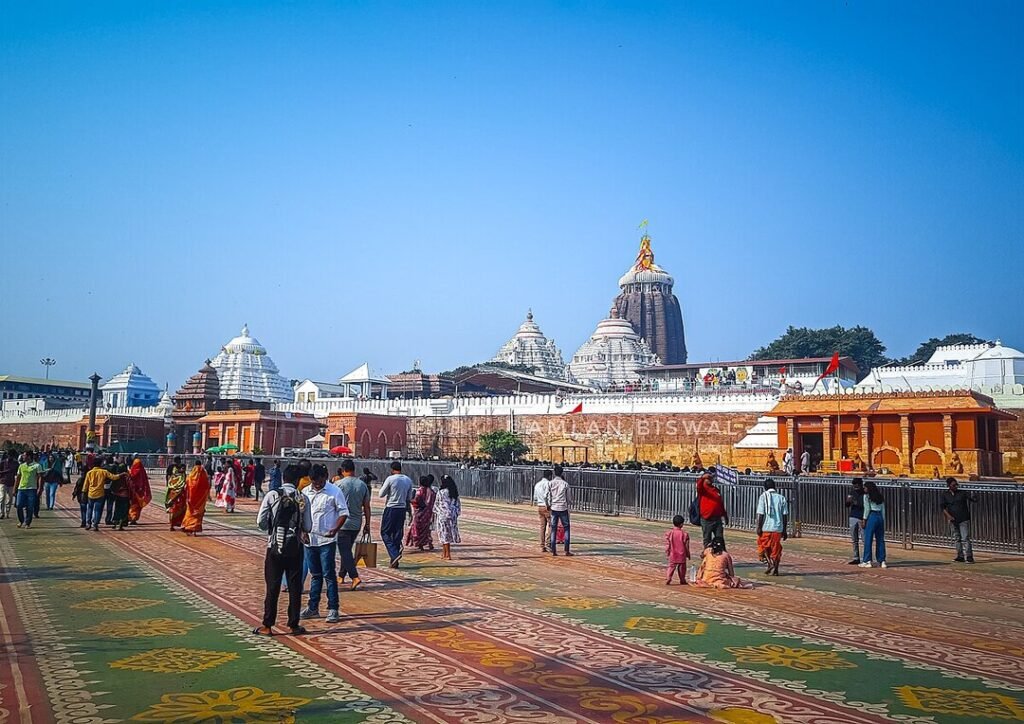
The Jagannath Temple in Puri, Odisha, is one of the four holiest pilgrimage sites for Hindus, known as Char Dham. Dedicated to Lord Jagannath, an incarnation of Vishnu, this 12th-century temple is famous for its massive annual Rath Yatra (Chariot Festival), where the deities Jagannath, Balabhadra, and Subhadra are taken out in gigantic chariots.
The temple’s architecture is quintessentially Kalinga, with its towering spires, intricately carved exteriors, and a large complex housing several smaller shrines. The food offerings, known as Mahaprasad, are cooked in earthen pots over wood fire and are a significant part of the temple’s tradition, symbolizing the community and equality. The temple’s kitchen is one of the largest in the world, with the capacity to cook food for thousands of devotees daily.
7. Somnath Temple, Gujarat
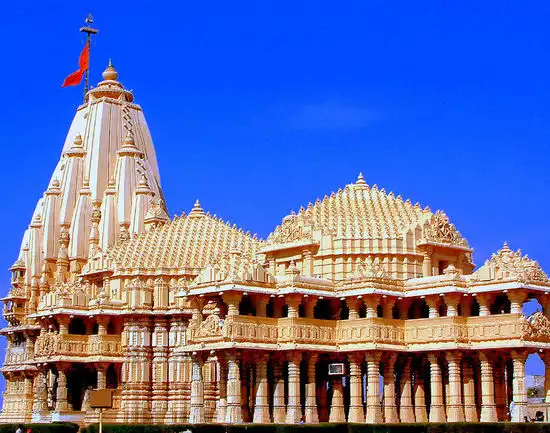
The Somnath Temple in Gujarat is revered as the first of the twelve Jyotirlinga shrines of Shiva, signifying it as a powerful symbol of faith and resilience. Located on the western coast of India, this temple has faced destruction and reconstruction multiple times due to invasions, yet it stands today as a symbol of spiritual endurance.
The temple’s current structure, built in the Chalukya style, reflects the grandeur and simplicity associated with ancient Hindu temples. The design of the temple includes intricate carvings and an elegant tower, capturing the serene beauty of Gujarat’s coastal landscape. Standing by the Arabian Sea, the Somnath Temple offers a tranquil space for devotees to connect with the divine while absorbing the natural beauty surrounding it.
8. Venkateswara Temple, Andhra Pradesh
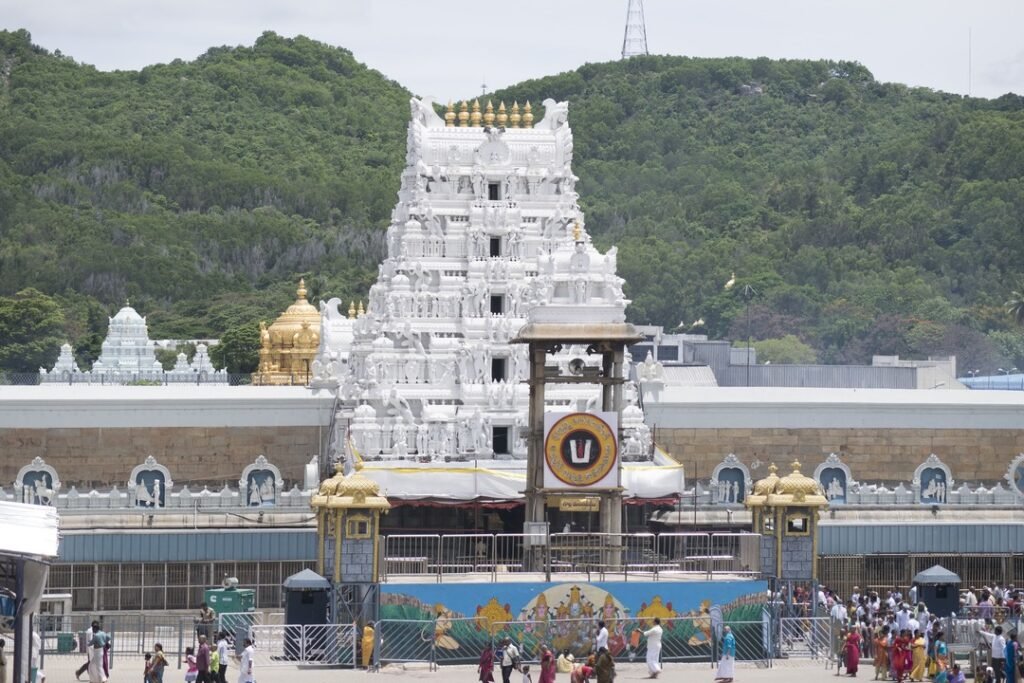
The Venkateswara Temple, located in the hill town of Tirumala in Andhra Pradesh, is one of the wealthiest temples in the world. Dedicated to Lord Venkateswara, a form of Vishnu, this temple attracts millions of pilgrims each year. The temple’s Dravidian architecture features a golden roof, intricate woodwork, and beautifully carved pillars.
Tirumala is famous for its prasadam, or divine food offering, known as “Tirupati Laddu,” which is distributed to millions of devotees daily. Many pilgrims offer their hair in gratitude, believing that by doing so, they leave behind their egos. The rituals performed at Tirumala are deeply rooted in Vedic traditions, making it one of the most spiritually profound pilgrimage experiences in India.
9. Lingaraj Temple, Odisha
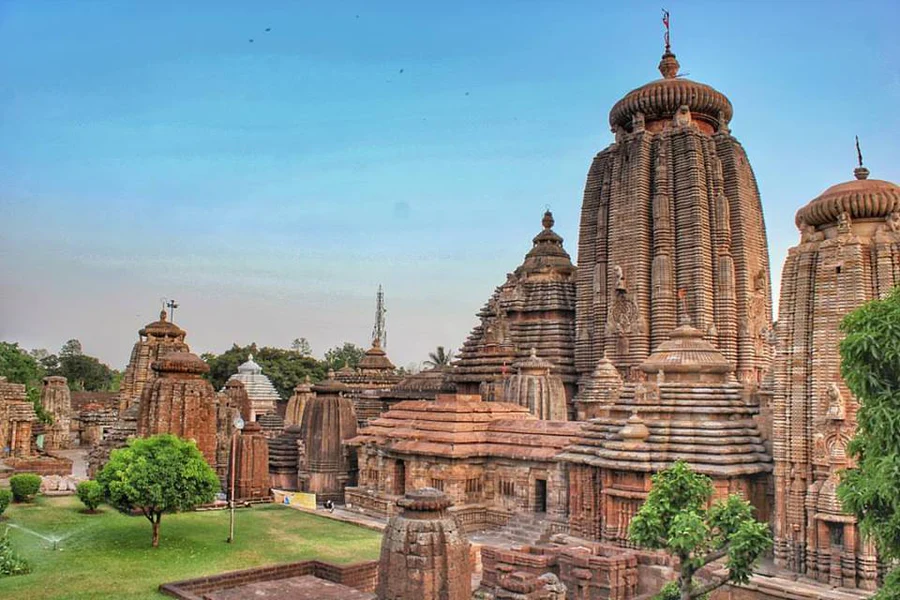
The Lingaraj Temple in Bhubaneswar, Odisha, is one of the oldest and most important temples dedicated to Lord Shiva. Built in the 11th century, the temple is a masterpiece of Kalinga architecture, featuring a towering spire, elaborate carvings, and a sprawling complex with numerous subsidiary shrines.
The temple’s unique feature is its deity, Harihara, a representation of both Shiva and Vishnu. This blend signifies the harmony between two major Hindu sects, Shaivism and Vaishnavism, making the Lingaraj Temple a symbol of religious unity. The temple is surrounded by a large water tank, Bindusagar, where devotees take holy dips, adding a serene, ritualistic element to the experience.
10. Virupaksha Temple, Karnataka
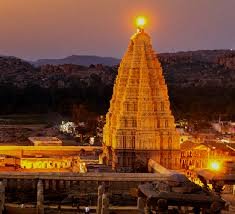
Virupaksha Temple in Hampi, Karnataka, is a marvel of Vijayanagara architecture and one of the most historically significant temples in South India. Dedicated to Lord Virupaksha, a form of Shiva, this ancient temple has been in continuous worship since the 7th century, making it one of the oldest functioning temples in India.
The temple complex boasts beautiful pillars, intricate carvings, and a massive gopuram that serves as an entrance. Known for its annual chariot festival and the spectacular “shadow play” of the temple’s main tower, Virupaksha Temple is a site that merges devotion with art. Hampi itself is a UNESCO World Heritage Site, and Virupaksha Temple remains its heart, drawing devotees, historians, and travelers alike.
Conclusion: The Legacy of India’s Temples
India’s temples are more than places of worship; they are symbols of cultural heritage, devotion, and incredible architectural feats. Each temple carries centuries-old traditions and stories that continue to inspire millions worldwide. By visiting these temples, one can not only experience spiritual awakening but also witness the artistic genius that ancient India contributed to the world. Whether for pilgrimage or admiration, India’s temples offer a divine journey that embodies the essence of unity, resilience, and cultural pride.